
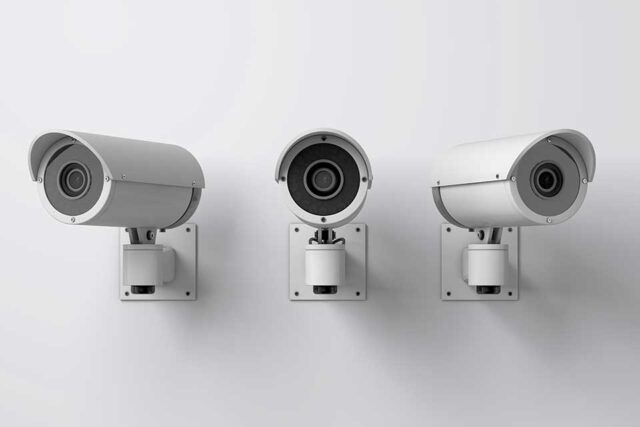
Security cameras are important for the safety of any and all property, but they will perform only as well as they are installed. Whether you install your security cameras yourself or have this professionally done, there are always going to be some important points to keep in mind to ensure maximum return on investment.
For this post, we spoke with numerous industry experts about what areas they recommend paying attention to when installing security cameras. We will intersperse their thoughts on this subject with our own to give you a full picture of what to expect when you are just getting started with security cameras on your home or commercial property.
1. Ensure the Cameras Work First
This first tip seems like common sense that isn’t worth repeating, but these are exactly the types of pointers that people may tend to forget. When you purchase a set of security cameras, your first instinct might be to set them up immediately, or to pay a professional to do so.
However, think about the inconveniences you would create for yourself if you installed four security cameras up on the side of your house only to discover later that one or a few of them were non-functioning straight out of the box. You then have to go back up on a ladder to remove all the cameras and return them.
Do what is needed to test all cameras you purchase before actually installing them. It has the potential to save a lot of time and effort in the long run.
2. Consider Having Your Cameras Professionally Installed
There is one major difference between a DIY camera installer and a professional, and that is the fact that an amateur might not consider the exact optimal placements of the cameras. This matters tremendously if your purpose is actually to monitor all entrances to your home.
Installing a camera system yourself, especially if it is a wired camera system, can also be very dangerous. While DIY projects can be a fulfilling and enjoyable way to spend your weekend, home security system installation should be left to electrical professionals. Even if the camera system itself is ELV (Extra Low Voltage), you can still be exposed to dangerous voltages when fiddling around with your power outlets before the voltage has been stepped down. Working with these voltages has the potential to seriously injure or even kill you, and is not suited to DIY.
If there are pets in the house, it’s especially important to conduct a short consultation. An installer should learn how the animals behave, where stove hoods/windows are located and how the property is ventilated (where there are air currents, curtains, etc). All these things can trigger false alarms and waste the time of the security company. At least, this may cause you unnecessary discomfort. At most, you may be fined.
3. Make Sure Your Cameras Allow Remote Viewing
In these modern times, it is important that your security camera system be truly top of the line so you can access all the features you need to keep your property safe. One important spec that we always recommend be present in your security cameras is the ability to view the footage remotely. Things work out perfectly when you are physically present at home or at your business and you want to check your security cameras.
But suppose you want to see what is happening there while you are away? It should be a standard feature on superior security cameras that they allow you to access their footage remotely from a mobile app or laptop. One of the number-one things I look for when reviewing a system is free remote monitoring. It doesn’t really make sense to have a security system if your provider’s not going to let you check in on it and/or get notifications when something goes wrong.
The risk is too great not to be able to check your own property’s footage just because you are somewhere else. This is always something you will want to make sure of before having a camera system installed. A system that does not allow for this may not be worth the cost for you, depending on how often you leave the house.
4. Decide between Wired and Wireless
Another question many people have before buying security cameras is whether they need a wired or wireless system. It makes sense to know what you are getting into before making any major purchases, and especially before going through the trouble of having your cameras installed.
There are advantages and disadvantages of each type of security camera. The differences between them come down to initial cost and the maintenance required later.“Wired is much more dependable and requires less maintenance. Wireless is convenient when adding new points and will save you money during installation, but you will have to deal with battery replacement. Batteries tend to send in their low-battery signals to the panel in the middle of the night. Newer panels will not alert until the morning to keep you from pulling your hair out. Just make sure your time and date are accurate.
Basically, the cheaper and easier way to go is wireless, but you will enjoy greater dependability with a wired security camera system. It is important to look into each option before installing any cameras on your property.
5. Confirm Usability at the Outset
The best security cameras on the market won’t mean a thing to customers if they are not user friendly. That’s why usability makes this list of important camera-installation tips. The cameras themselves should be easy to install, and the software associated with them should be simple, intuitive, and, above all, convenient for users.

